
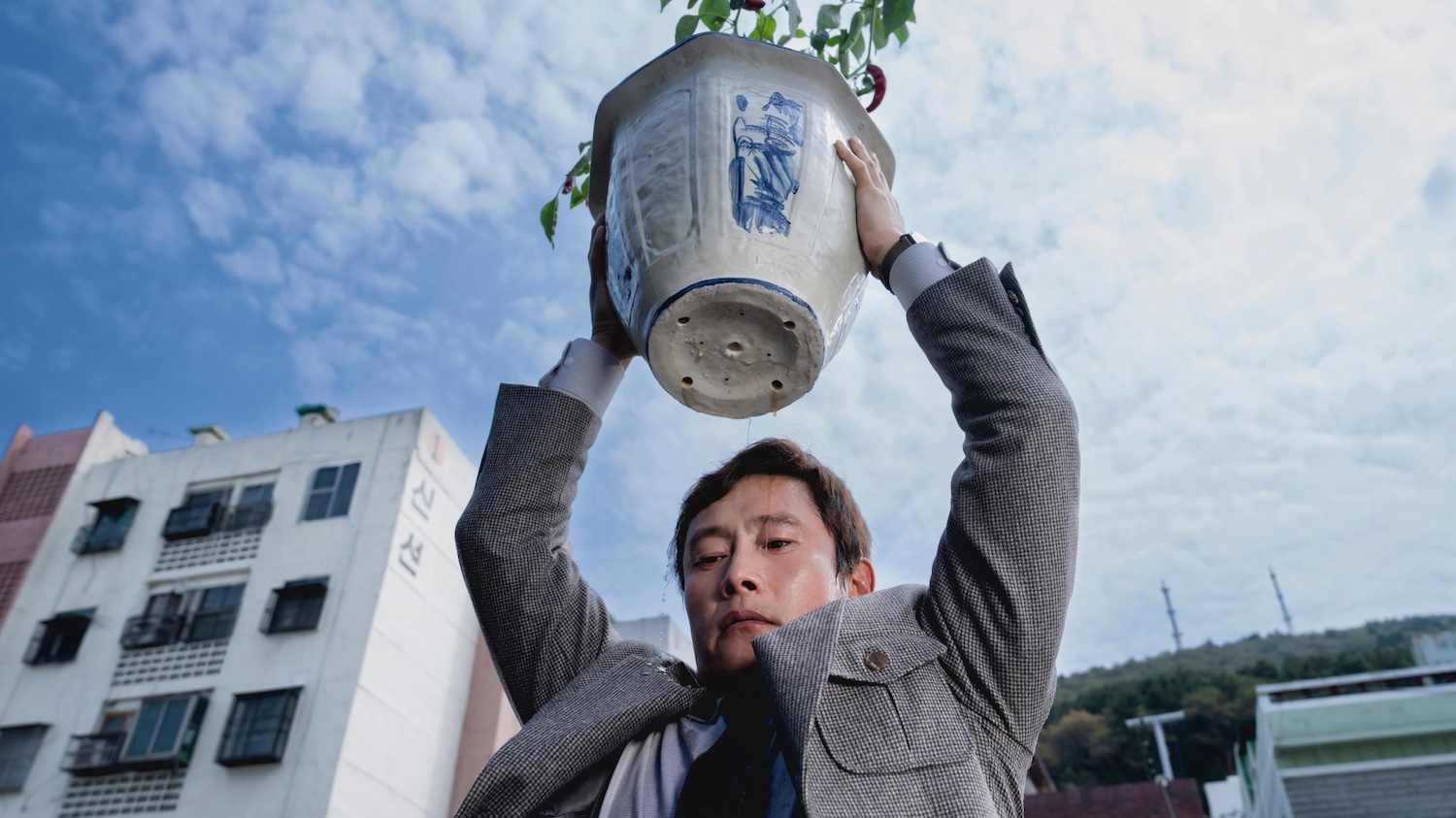
Park Chan-wook is back with “No Other Choice”, an adaptation of Donald E. Westlake’s novel The Ax. While the film delivers the director’s signature stylistic flair, it’s a polarizing experience that prioritizes sensory discomfort over emotional connection.
An Aesthetic of Discomfort: 70s Vibes and Modern Anxiety
One of the most striking elements of the film is its timeless production design. Although set in a world with modern technology, the movie feels like it was filmed in the 1970s. The screen feels heavy, melancholic, and perpetually sticky, as if the heat and humidity of the characters’ desperation are leaking through the lens.
Park uses peculiar camera movements to heighten this unease, creating an environment that feels less like a “period piece” and more like a fever dream trapped in time.
The Sound of Overstimulation
The auditory experience is, for lack of a better word, cacophonous. The musical choices are tragic and intentionally loud, bordering on sensory overstimulation. Between the jarring score and the constant barrage of environmental noises—conductors, machinery, and industrial hums—the film forces the viewer into a state of extreme psychological discomfort.
Looking for the Director’s Masterpieces? If this new release isn’t hitting the spot for you, don’t lose hope in the maestro. We recently published a curated selection of the Top Park Chan Wook films according to critics, featuring the true essentials of his filmography.
A Powerhouse Cast vs. Black Comedy Tropes
If there is one reason to watch this film, it’s the stellar ensemble. Lee Byung-hun delivers a visceral performance as the desperate job-seeker, while Son Ye-jin shines as his wife, struggling to keep the family together.
“No Other Choice” is packed with talent, featuring heavyweights like Park Hee-soon, Lee Sung-min, and Yeom Hye-ran, plus scene-stealing cameos from the likes of Cha Seung-won and Yoo Yeon-seok. However, even this “Dream Team” struggles with the script’s attempt at black comedy.
Korean cinema usually excels at creating sympathy for heinous crimes, but in “No Other Choice,” the transition into rooting for a desperate criminal feels clunky. The moral dissonance doesn’t quite land, making it difficult to fully engage with the protagonist’s violent journey to secure a job.
Final Verdict: A Master’s Rare Miss?
While the film effectively transmits its intended feelings of anxiety and pressure, it lacks the soul that made Oldboy or The Handmaiden so captivating. It is technically brilliant but emotionally draining in a way that might leave even hardcore fans feeling cold.
Until now, I have to admit: this is my least favorite Park Chan-wook film to date.